Night Driving Safety Tips: A Practical Guide
Key Takeaways
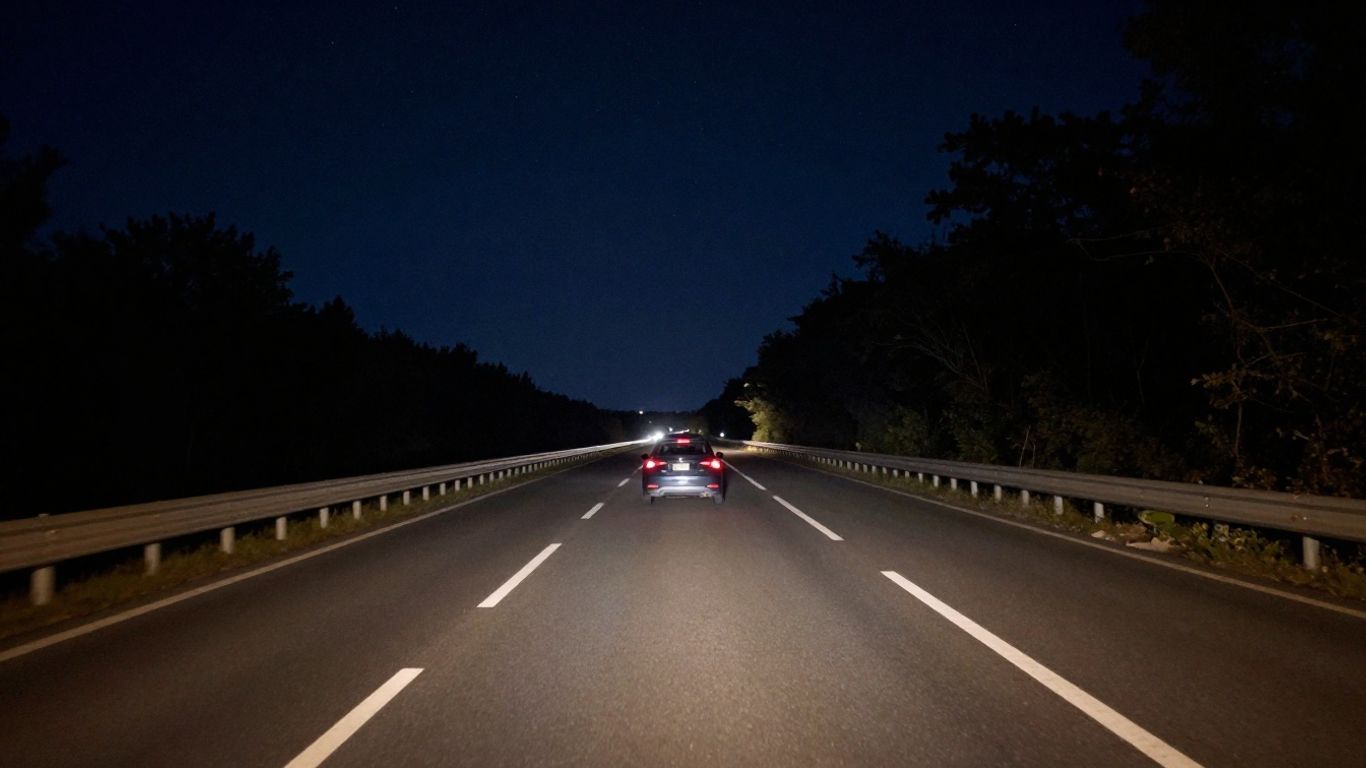
Driving after dark requires a shift in how you perceive your surroundings and manage your vehicle. These essential strategies help you maintain safety and confidence on the road throughout the night.
- Ensure your lighting equipment is clean and properly aligned.
- Maintain high situational awareness by scanning the road continuously.
- Reduce your speed to compensate for limited visibility and reaction time.
- Keep your interior environment optimized to prevent eye strain.
- Recognize signs of fatigue and take breaks as needed.
Preparing your vehicle for the dark
Driving at night can be more dangerous due to reduced visibility, which is why research suggests being fully prepared before you head out. Taking a moment to check your car ensures you have the best possible view of the path ahead.
Keeping your headlights clean and aimed
Your headlights are your primary eyes on the road. If the lenses are clouded or dirty, they scatter light rather than focusing it forward, dramatically reducing your night vision. You should regularly check that both units are aimed correctly so they illuminate the road without blinding oncoming traffic.
Checking fluid levels and wiper blades
Visibility issues at night are often caused by dirty glass that creates a hazy glare from streetlights. Keeping your washer fluid topped off and ensuring your wiper blades are in good condition allows you to clear away grime quickly.
| Item to Check | Why it Matters | Frequency |
|---|---|---|
| Windshield Wipers | Removes debris causing glare | Every 6 months |
| Washer Fluid | Ensures clear vision after rain | Monthly |
| Headlight Lenses | Maximizes light projection | With car wash |
Maintaining these basic components is part of the foundational defensive driving skills we discuss in our 4-hour and 8-hour courses at Genesis Driving Academy.
Adjusting your mirrors to reduce glare
Turning your rearview mirror to its night setting is a simple but effective way to minimize the distraction of following traffic. Properly set mirrors help you maintain a clear view behind you while protecting your eyes from the harsh intensity of modern high-intensity headlamps.
Improving your personal visibility
Creating a comfortable environment inside your vehicle helps you stay focused on the task at hand. When you are less stressed by your surroundings, you can better manage night driving safety tips effectively.
Staying alert by managing fatigue
Fatigue is one of the most common factors in nighttime accidents. When you feel your attention drifting, it is essential to recognize the signs early and take action to restore your focus.
Managing your interior dashboard lighting
Bright internal lights reflect off the windshield and can mask details on the dark road ahead. Use your vehicle's dimmer switch to lower your instrument panel brightness until it is just visible. This simple step helps your eyes adjust better to the low-light environment outside.
- Dim the dashboard lights to reduce internal glare.
- Keep your smartphone screen away from your field of view.
- Minimize your reliance on high-glare infotainment displays.
By keeping your cockpit environment consistent with the road, you create a more stable visual experience for your eyes during long trips.
Reducing eye strain during long drives
Frequent focus shifts between the road and bright objects inside the car accelerate tireness. By streamlining your interior, you allow your eyes to remain relaxed yet attentive.
Adjusting your driving technique
Driving at night requires significant patience and a proactive mindset toward safety. According to the research, drivers often struggle with depth perception at night, making it necessary to adapt your style.
Increasing your following distance
Stopping distances increase when your reaction time is delayed by poor lighting. You should leave more space between you and the car in front to allow for unexpected turns or stops.
Controlling your speed in low-light conditions
Driving fast at night is a risk because you may be outrunning your headlights. Even on familiar roads, research recommends slowing down to give yourself enough time to identify road edges or obstacles well before they reach your bumper.
Scanning more frequently for unexpected hazards
At night, you cannot rely on peripheral vision as much as you do during the day. Practice looking slightly ahead and to the sides so you can perceive movement before a hazard enters your direct path.
Handling light from other vehicles
Dealing with the glare of other drivers is an art form that keeps you safe. When you navigate these moments with a calm approach, you avoid the temporary blindness that often leads to accidents.
Avoiding direct eye contact with oncoming headlights
Staring directly at bright lights can leave persistent spots in your vision. Instead, shift your gaze slightly to the right lane marker to keep your car steady while others pass.
Using your rearview mirror's dimming feature
Most modern cars come with a manual or automatic day-night mirror. Using this feature correctly prevents trailing headlights from reflecting off your mirrors and directly into your eyes, which helps keep your vision clear and sharp throughout the drive.
Managing the appropriate use of your own high beams
High beams are only intended for unlit, low-traffic areas. As research notes, you must switch back to low beams as soon as a vehicle is nearby to prevent creating a dangerous environment for others.
Recognizing your own physical limits
Even with the best preparation, your body has limits that shouldn't be ignored. Knowing when to stop driving is the most responsible choice you can make.
Understanding how vision changes in the dark
Our ability to judge distances and detect colors diminishes significantly after sunset. Accepting these biological changes is key to safe operation in the evening.
Knowing when to pull over and take a rest
If you find yourself struggling to stay in your lane or your eyelids begin to feel heavy, find a safe, well-lit place to pull over. Taking a brief rest or even choosing to stop for the night is always preferable to pushing through extreme exhaustion.
Handling the impact of glare on tired eyes
Glare is significantly more disruptive when you are already exhausted. If the world starts to look blurry, your eyes are telling you that they need a reprieve from the road.
Navigating common road hazards at night
Unexpected things appear on the road more often than we realize after dark. Vigilance is your best tool for navigating these common problems safely.
Watching for wildlife near the roadsides
Animals are most active during dawn and dusk hours. Keep your eyes sharp for the reflective glow of animal eyes on the side of the road and reduce speed if you see movement.
Looking out for pedestrians in dark clothing
Pedestrians are often much harder to see at night, especially if they are wearing dark materials. Stay alert at intersections and in areas marked for foot traffic.
Dealing with slick or hidden wet surfaces
Wet spots are difficult to spot in the dark and can look like standard asphalt. Always behave as if the road might be slippery when you catch the gleam of standing water in your headlights.
Conclusion
Driving at night is a manageable skill that relies on preparation, awareness, and respecting your own limits. By keeping your vehicle maintained and staying observant of your environment, you can enjoy safer travels at any hour of the day.
Frequently Asked Questions
Why is night driving considered more dangerous than day driving?
Reduced visibility and the onset of natural biological fatigue make it much harder for drivers to react to hazards in the dark compared to daytime conditions.
How can I make my headlights more effective?
Keep them free of dirt and debris to allow maximum light output and have a professional verify their alignment periodically to ensure they focus correctly on the road.
Should I wear special glasses for night driving?
While some people find anti-reflective coatings on glasses helpful, you should consult with your eye care professional before relying on specific eyewear for safety.
How often should I check my interior lights during a night trip?
It is best to set your instrument panel brightness at a comfortable level before you depart, adjustment is only necessary if your environment changes significantly.
What should I do if I feel drowsy while driving?
If you feel sleepy, the only safe action is to find a secure place to pull over and give your body the rest it needs before continuing your journey.
How do high beams improve my ability to see?
High beams extend your view further down the road than low beams, allowing you more time to spot obstacles at highway speeds in areas without other traffic.
Can cleaning my windshield really help reduce glare?
Yes, a clean windshield is crucial because any streaks or film on the glass will catch oncoming light and turn it into a distracting, hazy glare that obscures your view.
Start Your Safer Driving Journey Today
If you are looking to brush up on your defensive driving skills or need to fulfill a court or insurance requirement, consider enrolling in our self-paced program. You can start our 100% online course at Genesis Driving Academy anytime to receive an instant certificate of completion once you finish.
Ready to sharpen your driving skills?
Our defensive driving course is 100% online and self-paced — 4-hour ($40) and 8-hour ($60) options, with an instant certificate when you finish.
See the courses